Hindi and English Magazines: Building a Stronger, More Connected Indian Community in Britain
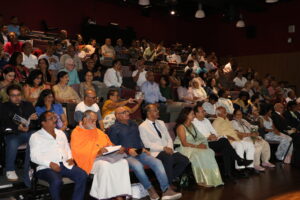
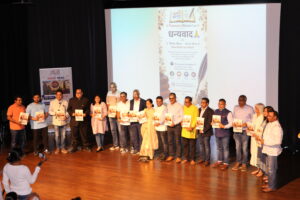
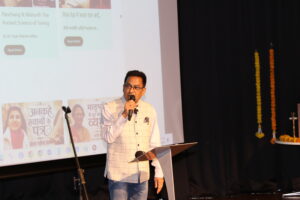
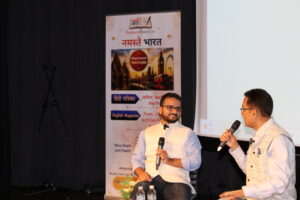
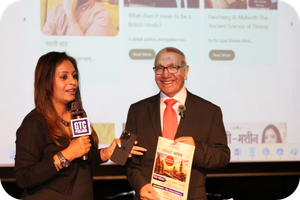
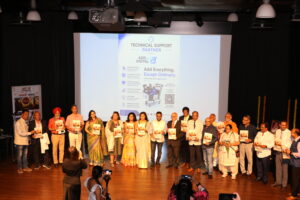
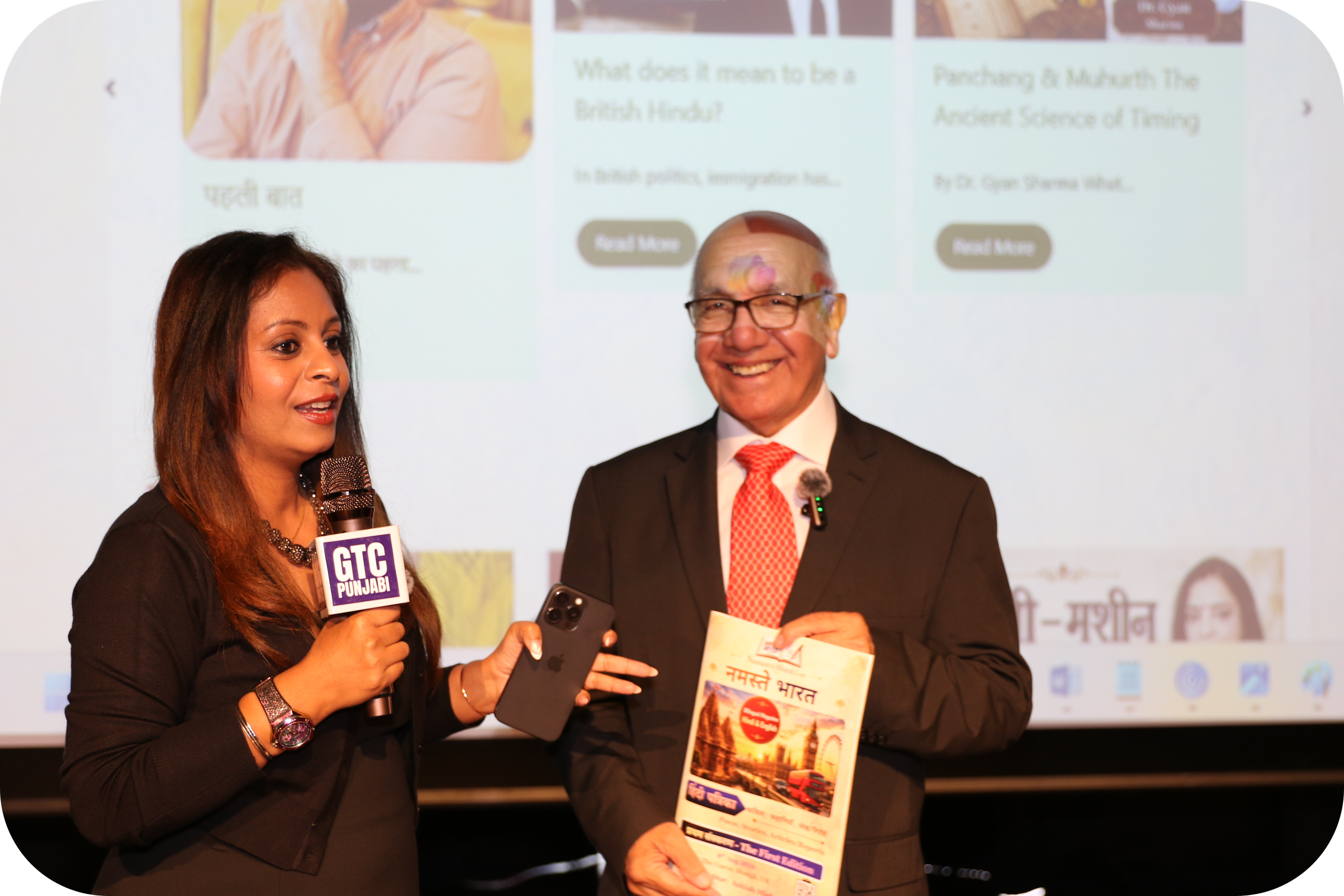
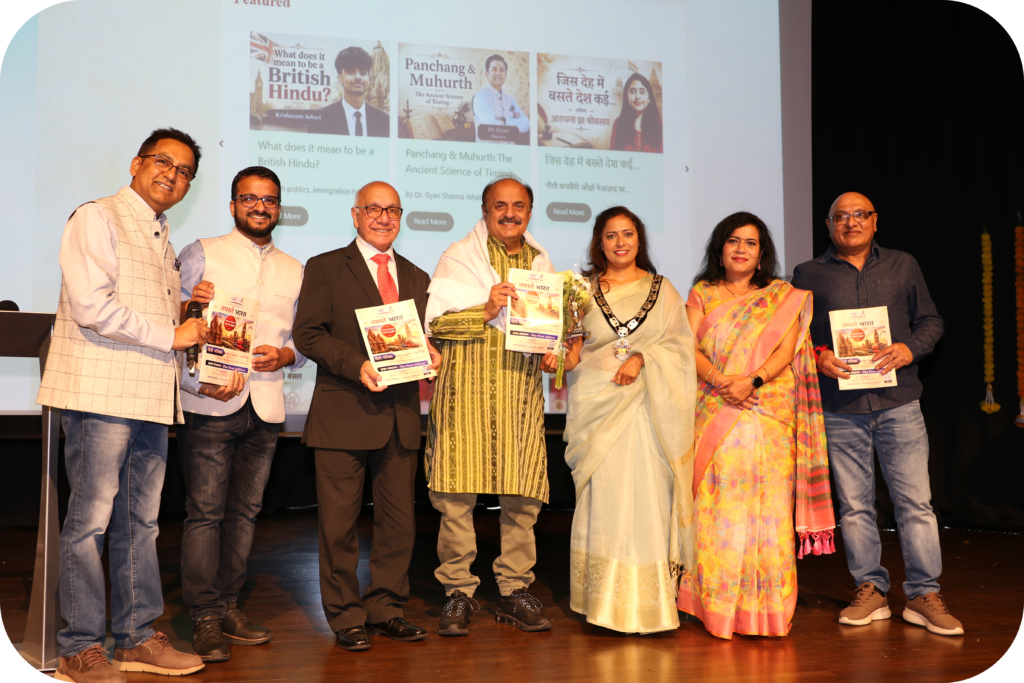
I was pleased to attend the launch of “Namastey Bharat”, a Hindi and English magazine, and the accompanying Kavi Sammelan in Slough. I was particularly pleased to support the idea behind this initiative because it represents something much larger than the launch of another publication. It is an investment in language, culture, identity, community and, importantly, in the relationship between the Indian community and wider British society.
I warmly congratulate the editorial board, Editor Ashish Mishra, and everyone involved in bringing this initiative to life. The decision to create a publication that works across both Hindi and English is especially welcome. At a time when Indian communities in Britain are growing, evolving and becoming increasingly diverse, there is a real need for platforms that can preserve our cultural heritage while also encouraging participation in the wider life of Britain.
Language is one of the most powerful ways in which a community preserves its history and passes its values from one generation to another. Hindi is not simply a means of communication. It carries literature, poetry, philosophy, traditions, memories and the experiences of generations. For many within the Indian diaspora, maintaining a connection with Hindi is a way of maintaining a connection with family and heritage.
The growth of Indian communities in the United Kingdom has brought with it a renewed interest in Indian languages, literature, religious traditions and cultural values. The growing interest in Sanatan traditions and Indian heritage, particularly among younger generations, demonstrates that cultural identity remains important even as communities become increasingly integrated into British society.
Magazines such as Namastey Bharat can play an important role in this process. They can provide space for poetry, stories, articles, news, cultural discussion and community experiences. They can give established writers an opportunity to contribute while encouraging new and younger voices to develop their confidence in writing and communicating. But I believe there is another equally important responsibility. Preserving our heritage must go hand in hand with participating fully in Britain.
The Indian community has made an enormous contribution to the United Kingdom. From the first generations who arrived with limited resources and worked in factories, transport, shops, public services and small businesses, to today’s generation of professionals, entrepreneurs, academics, doctors, teachers, public servants and community leaders, British Indians have become an important part of the country’s social, economic and cultural life.
My own experience of more than five decades of public service has reinforced my belief that integration should never mean abandoning one’s heritage. We should be proud of where we have come from while also understanding and contributing to the country in which we live. This is particularly important for new arrivals to Britain.
Those who come to the UK bring valuable skills, experiences, traditions and aspirations. They should be encouraged not only to establish themselves economically but also to understand the British democratic system, its institutions, laws, responsibilities and values. They should participate in local communities, engage with civic life, understand how government works and contribute positively to the society around them.
Integration is not about giving up one’s identity. It is about adding one’s identity to the shared British story. A strong community is not one that remains separate from wider society. A strong community is one that is confident enough in its own identity to engage openly and positively with everyone else. This is where the combination of Hindi and English becomes particularly significant.
Hindi allows us to speak to our heritage. English allows us to communicate across communities and participate fully in British public life. Together, they can become a bridge between generations, between cultures and between Britain and India. For older generations, a Hindi publication can provide a familiar language through which they can continue to engage with literature, culture and community affairs. For younger British Indians, English can provide access to those traditions while helping them understand their heritage in the context of modern Britain. A bilingual publication therefore has the potential to connect grandparents, parents and children. It can also become a bridge between Britain and India.
The relationship between the United Kingdom and India is deep, historic and increasingly important. It extends far beyond governments and trade. It includes education, business, technology, culture, tourism, family connections, literature and the millions of people whose lives connect the two countries. Community publications can contribute to that relationship by telling stories that are often not found elsewhere. They can highlight achievements, celebrate cultural occasions, discuss important issues and create greater understanding between communities. However, I would encourage the editorial team to look towards the future as well as the past.
I hope Namastey Bharat will become a platform for young writers, students, entrepreneurs, professionals and community activists. I hope it will encourage constructive debate and provide space for different perspectives. I hope it will celebrate achievement but also discuss the responsibilities that come with being part of British society.
Our young people should know the richness of Hindi literature and Indian civilisation, but they should also feel confident in British classrooms, universities, workplaces, public institutions and democratic life. They should be encouraged to participate rather than stand on the sidelines. The same message applies to every generation. To grow, develop and progress, we must be part of the mainstream while remaining proud of our roots.
There should be no contradiction between being proud of our Indian heritage and being committed to Britain. We can celebrate Diwali, Holi, Navratri and other traditions while also celebrating the shared values that unite people across Britain. We can speak Hindi at home and English in public life. We can preserve Sanatan values while respecting the beliefs and traditions of others. We can maintain our cultural identity while being active citizens of a modern, diverse and democratic United Kingdom.
That balance is not a weakness. It is our strength.
I therefore warmly welcome the launch of Namastey Bharat and congratulate Editor Ashish Mishra, the editorial board, the organisers and all the supporters of this important initiative. I also welcome the inclusion of poetry and cultural activities alongside journalism and articles, because literature and culture have always been powerful ways of bringing people together.
I hope the magazine will grow from strength to strength, reach readers across Britain and India, and become a lasting platform for dialogue between generations and communities.
Most importantly, I hope it will inspire its readers to follow a simple but powerful principle:
Keep your roots strong, open your horizons wider, and contribute fully to the society you call home.
That is how communities preserve their identity. That is how young people build their future. And that is how we build a stronger, more inclusive and more united Britain.
By Virendra Sharma, Former Member of Parliament, Britain